

In right now's fast-paced retail panorama, keeping up with technological advancements is essential for businesses to thrive. One such advancement that has revolutionized the finest way retailers operate is the Point of Sale (POS) system. But what exactly is a POS system and why has it become an indispensable software for retailers? From streamlining transactions to managing stock, this article will delve into the intricacies of POS methods to shed gentle on their purpose and significance on the planet of retail. So buckle up as we embark on a journey to unravel the mysteries behind this essential technology!
What is a POS system?
restaurant pos solution
A POS system, quick for point-of-sale system, is a software program and hardware combination that permits retailers to manage their sales transactions. It serves because the central hub where all gross sales activities happen, from the initial product scan to the ultimate fee process. But a modern POS system does much more than simply processing sales. It is equipped with options corresponding to stock management, employee tracking, customer relationship management (CRM), and analytics tools.
The main objective of a POS system for retailers is to streamline their operations and improve effectivity. Retailers can save time by automating duties like inventory management and employee tracking. A POS system offers real-time data on gross sales performance, serving to retailers make knowledgeable choices about pricing or inventory.
Another key benefit of a POS system is it helps create a seamless buyer expertise. With options like CRM instruments constructed into the software, retailers can track customer preferences and buying behaviors. This permits them to supply
customized service or targeted promotions based on individualized knowledge insights. By making every interaction with prospects extra significant and tailor-made, companies can improve buyer loyalty and improve repeat visits or purchases.
Overall, a POS system goes past facilitating transactions by offering valuable functionalities that help businesses run easily and provide enhanced customer support. Retailers who understand its importance are better outfitted to stay ahead in at present's competitive market landscape.
How does a POS system work?
A POS system is a software program and hardware combo that helps retailers sell things extra simply. It connects different components of the business and helps manage inventory, track sales, and course of payments. The system normally has a pc or pill with particular software program, a money register or card reader for funds, and extras like barcode scanners and receipt printers.
One key aspect of how a POS system works is thru its capability to combine with other enterprise techniques. For instance, it could sync up with a list administration system to automatically replace stock ranges primarily based on gross sales made on the point of sale. This prevents overselling or running out of well-liked objects by giving retailers real-time visibility into their inventory. Additionally, many POS methods have built-in buyer relationship management tools that retailer buy historical past and help businesses perceive their clients' preferences higher.
A POS system needs to securely handle different types of funds like money, credit cards, cellular payments, and cryptocurrency. It encrypts buyer info during transactions to protect against information breaches. A POS system integrates numerous enterprise processes into one unit for retailers.
Software elements of a POS system
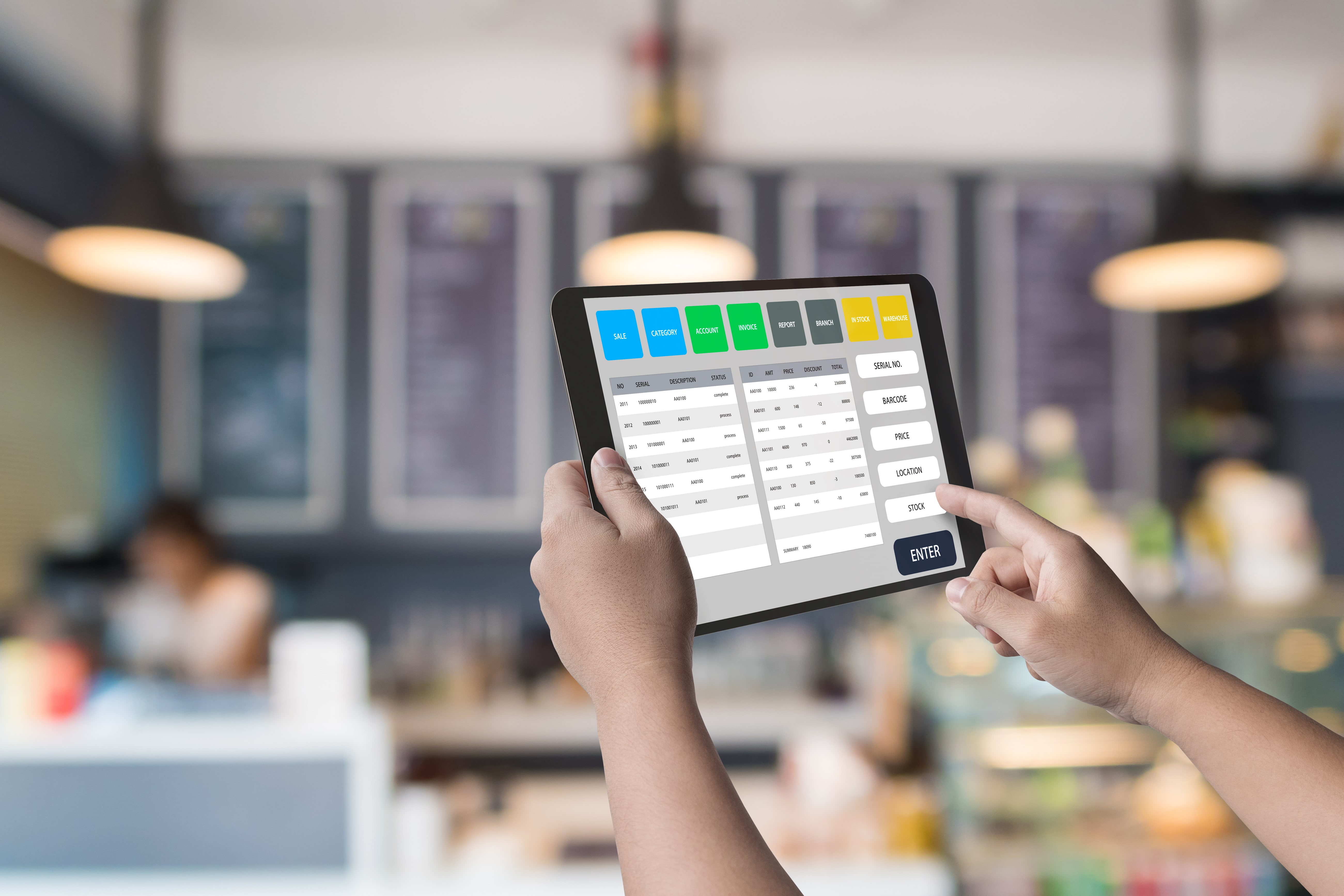
When it comes to some extent of sale (POS) system, the software program components play a crucial position in ensuring seamless and environment friendly operations for retailers. The first essential software program part is the POS terminal software program, which acts because the central hub of the system. This software is answerable for processing gross sales transactions, managing inventory, and generating reviews. It offers retailers with real-time data on sales volumes, revenue margins, and inventory levels, allowing them to make informed choices about pricing strategies and order replenishments.
Another key software program part is the shopper relationship administration (CRM) software program built-in into the POS system. CRM software permits retailers to collect and analyze customer data corresponding to purchase history, preferences, and contact information. By leveraging this data effectively, retailers can create focused marketing campaigns, personalised promotions or offers that resonate with their clients' preferences. Moreover, CRM integration also facilitates loyalty programs by monitoring prospects' rewards factors amassed by way of purchases.
Retailers can use a reporting function to grasp how their business is doing. They can see issues like gross sales trends and the way well workers are performing. Analytics instruments assist them discover patterns or uncommon issues in gross sales knowledge. This may help them make selections about issues like stock or training. In abstract, whereas hardware is important in a POS system, software can be essential.
Hardware components of a POS system
• POS terminal The POS terminal is the hardware on which your POS software operates. You can set up mobile POS software on any device that has an internet connection, including tablets, smartphones, desktop computer systems, or laptops.
• Cash drawer the money drawer, an integral part of a POS system, performs a vital function within the transaction process for retailers. It serves as a safe storage space for cash and different types of cost.
• Tablet or smartphone When it comes to picking between a pill or smartphone for a POS system, retailers may find themselves faced with a tricky decision. Both gadgets have their advantages and disadvantages, and finally it
is decided by the precise needs of the enterprise.
• Barcode scanner the barcode scanner is probably one of the important components of a POS system for retailers.
• Credit and debit card reader These small units enable retailers to easily accept electronic payments and process transactions shortly and efficiently.
• Receipt printer the receipt printer can print receipts in a matter of seconds, permitting clients to complete their transactions rapidly and move on with their day.
• Label printer enables retailers to track stock levels accurately and make informed decisions about buying.
The benefits of using a POS system
Using a POS system offers quite a few benefits for retailers, making it a vital device in today's competitive market. Firstly, a POS system streamlines the gross sales process by automating duties such as stock administration and worker scheduling. This not solely saves time but also reduces human error, guaranteeing correct knowledge and smoother operations. Additionally, with a POS system, retailers can easily monitor sales developments and customer behavior via detailed reviews. These insights assist businesses make knowledgeable selections on inventory levels, promotions, and pricing methods.
Another advantage of utilizing a POS system is its capability to enhance buyer experience. By integrating numerous payment choices such as bank cards and cell wallets, retailers can cater to completely different customer preferences successfully. Moreover, these methods allow efficient order processing and seamless checkout experiences with features like barcode scanning and digital receipts. This not solely accelerates the transaction course of but in addition reduces wait occasions for customers.
Businesses can use info from clients' purchases to personalize advertising campaigns. Loyalty packages may be added to the point-of-sale system to encourage prospects to keep coming again. Using a modern point-of-sale system has many benefits for retailers. It saves time and reduces mistakes by automating tasks like inventory administration. It additionally supplies helpful stories that can be utilized to make essential choices.
What options ought to a POS system have?
A POS system needs to have good stock management. This means having the ability to hold observe of inventory accurately. It helps retailers know the way much stock they have, keep away from working out of stock or having too much, and know when to reorder. A good POS system will make this course of simpler by giving real-time updates on inventory, mechanically reordering when wanted, and making stories on sales developments to predict future demand. Another necessary characteristic is that the POS system should work well with other enterprise instruments. This contains accounting software program, e-commerce platforms, and buyer relationship administration (CRM) methods. When the POS system can simply connect with these tools, it makes managing different parts of the business extra environment friendly and effective.
Retailers can find out about buyer behavior, developments, and in style products by analyzing transaction data. This data can help them make higher decisions about pricing, promotions, and marketing to extend sales and enhance their business. To enhance retail operations, it is necessary to fastidiously choose which options to incorporate in a POS system.
Mobile checkout
One of probably the most innovative options of recent POS methods is cell checkout. This game-changing technology permits retailers to course of transactions right on the sales floor, eliminating the need for patrons to attend in lengthy strains at a traditional cash register. With cellular checkout, a pill or smartphone outfitted with a card reader becomes a transportable point-of-sale terminal.
Mobile checkout presents a number of advantages for both retailers and clients. Firstly, it enhances customer satisfaction by reducing ready times and providing a extra seamless shopping expertise. Customers can simply strategy an worker with a cell system, make their buy, and go away. Mobile checkout also helps retailers by reducing lines at common registers throughout busy instances and allowing workers to help clients in the retailer.
Multichannel inventory management
One of the most important challenges retailers face is managing inventory throughout multiple channels. With the rise of e-commerce, brick-and-mortar shops are no longer the only real source of revenue for lots of businesses. Now, retailers must balance stock between their bodily locations and on-line platforms, corresponding to their very own web site or third-party marketplaces like Amazon and eBay.
Multichannel stock management is essential to ensure that customers have entry to products no matter the place they choose to buy. It allows retailers to optimize inventory ranges throughout all channels, decreasing the risk of overstocking or operating out of a popular product. By centralizing inventory knowledge and using integrated software options, retailers can acquire real-time visibility into their inventory ranges and make informed selections about replenishment methods.
Effective multichannel inventory administration improves buyer satisfaction. Customers can confidently purchase items figuring out they're in inventory. This reduces deserted carts and frustrated customers. Offering choices like BOPIS or ship-from-store adds convenience and suppleness to the shopping for process.
Centralized reporting and analytics
Centralized reporting and analytics are necessary for retailers who use POS techniques. This function permits companies to gather and analyze data from multiple places. By gathering all transaction knowledge, including sales, stock, and customer data, retailers can find trends and patterns across shops. This helps them make better decisions and enhance their operations. They can customize merchandise, improve workers performance, and promote profitable gadgets at other places.
Furthermore, centralized reporting and analytics supply a complete view of the overall enterprise performance. Retailers can evaluate key metrics throughout completely different time durations or branches to pinpoint areas for enchancment or potential alternatives. If one store constantly sells greater than different shops, retailers can discover out why and use those strategies in stores that aren't doing as nicely. It additionally helps managers hold track of how nicely staff are doing with detailed sales reviews, so they can present coaching or recognition when wanted.
In addition to those advantages, centralized reporting and analytics present an efficient approach to handle inventory levels throughout a quantity of stores. By intently monitoring inventory portions via correct real-time knowledge updates from each point of sale terminal, retailers can avoid overstocking objects that aren't promoting well while guaranteeing well-liked objects do not run out-of-stock at any location. This not solely reduces prices related to extra inventory but in addition improves buyer satisfaction by minimizing instances of unavailability.
Flexible order fulfillment choices
As on-line purchasing continues to dominate consumer preferences, retailers are beneath immense stress to provide versatile order achievement choices that meet prospects' expectations. Gone are the days when standard house delivery was enough - right now's customers want choices. Retailers must adapt and provide a spread of choices similar to purchase online, choose up in-store (BOPIS), same-day supply, and even ship-from-store.
The rise of BOPIS has been particularly prominent lately, allowing clients to shop conveniently from the consolation of their homes whereas avoiding delivery fees. This possibility not solely saves money but also enables consumers to get their hands on merchandise faster. Similarly, same-day supply providers have gained reputation as a end result of instant gratification they supply. With the ability to receive items inside hours or even minutes of inserting an order, consumers no longer have to attend days for his or her purchases.
To remain competitive in today's market, retailers must stay forward of buyer calls for by offering versatile and convenient order success options. By embracing strategies like BOPIS and same-day delivery, retailers can enhance both buyer satisfaction and loyalty. The key lies in understanding shoppers' needs and tailoring achievement methods accordingly - thereby delivering a seamless purchasing experience that retains customers coming back for more.
The 4 kinds of POS techniques
1. Traditional Cash Registers: The original level of sale system, money registers have been a mainstay in retail for decades. They are simple and reliable, however lack the advanced options found in fashionable POS methods. However, they nonetheless serve a purpose for small businesses with minimal inventory tracking needs.
2. Mobile Point of Sale (mPOS): Smartphones and tablets have led to the creation of mPOS techniques. These systems let retailers settle for funds while on the transfer. They are particularly well-liked amongst meals trucks, pop-up retailers, and boutique stores that do not have house for conventional counters or money registers. mPOS permits retailers to course of transactions outside of a physical retailer, making them more flexible and efficient.
three. Cloud-Based POS: Cloud-based POS systems are a smart choice for retailers as a result of they do not require servers or complicated software program. They provide advantages for each massive and small retailers. With cloud know-how, you probably can access sales information in real-time from wherever with internet. It's also easy to update and scale the system as your corporation grows. Cloud-based POS systems have safe encryption to guard customer data.
four. Tablet-Based POS: Combining the mobility of cell devices with the functionality of conventional point-of-sale terminals, tablet-based POS systems are gaining popularity in numerous industries such as hospitality and retail.
How to choose the most effective POS system
When it comes to selecting the most effective POS system in your retail business, there are several elements to think about. First and foremost, you should determine the precise wants of your corporation and what options are most essential to you. Are you a small boutique that requires easy inventory administration and customer gross sales tracking? Or are you a large department retailer that needs advanced reporting capabilities and integration with other systems?
Another key consideration is the sort of trade you're in. A restaurant, for instance, might require a POS system with particular features like tableside ordering or break up verify performance. On the other hand, a clothing retailer may prioritize barcode scanning and mobile fee choices. It's important to pick out a POS system that caters particularly to the distinctive necessities of your industry.
One usually overlooked side when selecting a POS system is scalability. While it is essential to discover a system that meets your present needs, it is equally important to suppose about future progress. Will the software program have the flexibility to deal with an increase in transaction quantity or additional locations? You do not wish to invest in a system solely to outgrow it within a number of years.
To discover the best POS system for your retail enterprise, you want to consider your needs, business requirements, and progress potential. Consider person evaluations and ask other retailers for suggestions. This will allow you to make an informed choice that advantages your business and clients in the lengthy term.
What’s one of the best POS system for retail?
Retailcloud is a well-liked selection for retailers on the lookout for the most effective POS system. It has a user-friendly interface and lots of useful features. What makes it completely different from other techniques is that it is cloud-based, that means retailer house owners can access their data and manage their stock from anywhere. This is handy and allows for real-time tracking of sales and stock levels.
One of the standout features of Retailcloud is its seamless integration with e-commerce platforms. This implies that retailers can easily sync their online shops with their physical places, maintaining stock in examine throughout all channels. Additionally, Retailcloud provides advanced analytics capabilities, offering valuable insights into buyer shopping for patterns and gross sales developments. With this information at hand, retailers could make informed choices regarding product selection and advertising methods.
Retailcloud is scalable and can be customized for small boutiques or multi-store enterprises. You can add or remove options as your business grows or changes. Retailcloud provides a whole resolution for retailers to manage worker schedules and process transactions efficiently in today's competitive market.
Overall, when contemplating the most effective POS system for retail companies, it's hard to disregard the merits of Retailcloud.